The Call Nobody Wants to Hear
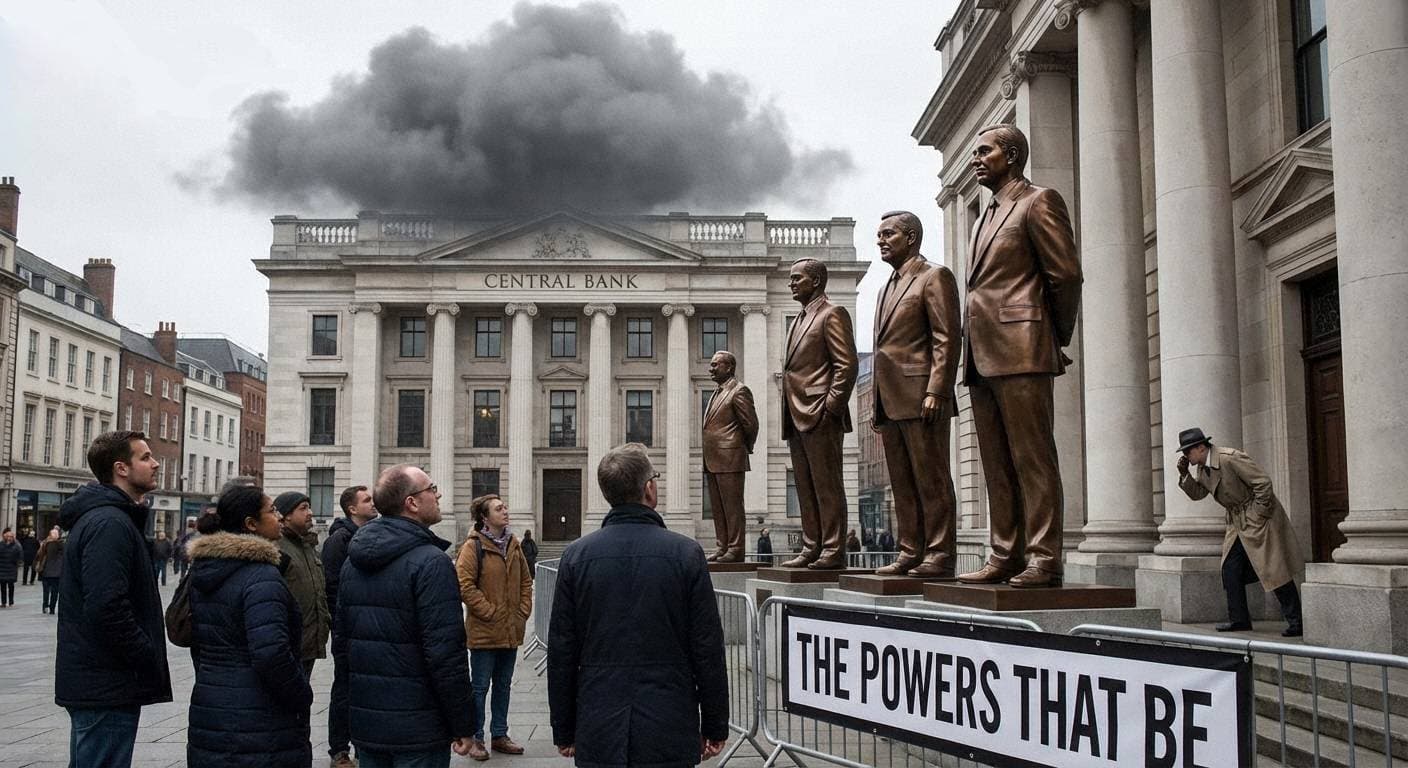
Bank of America just put out a call that goes against pretty much every other major forecast on the street. They think the Fed's about to start hiking rates again, with two more increases coming before the end of 2026. According to Business Insider, BofA's analysts are betting on a hiking cycle when most of the market's pricing in cuts or a long pause.
That's a massive divergence. And when one of the biggest banks in the country goes contrarian on Fed policy, it's worth asking why.
What Would Force the Fed's Hand
The Fed doesn't just hike rates because they feel like it. There's a mechanics to this. Rate hikes happen when inflation stays sticky or reaccelerates, when unemployment stays low and wage growth runs hot, or when financial conditions stay too loose for too long. If BofA's right, it means they're seeing at least one of those conditions play out through 2026.
The most likely culprit is inflation expectations. If core PCE keeps running above 2.5% and shelter costs don't come down, the Fed doesn't have much choice. They've said repeatedly that getting inflation back to 2% is the priority, even if it means sacrificing growth. Two hikes by end of 2026 would put the terminal rate somewhere north of where it is now, which is already restrictive territory.
The second angle is employment. If the labor market stays tight and wage pressures don't ease, the Fed has to respond. That's classic overheating. The Sahm Rule hasn't triggered, jobless claims are still low, and real wage growth is positive. Those aren't recession signals. They're signs the economy can handle higher rates.
And then there's financial conditions. Equity markets have been resilient, credit spreads are tight, and corporate borrowing hasn't slowed much. When financial conditions are loose, the Fed's previous hikes aren't biting hard enough. That means they have to go further.
The Market's Not Pricing This In
If you look at fed funds futures, the market's betting on one cut, maybe two, by mid-2026. BofA's call is the opposite direction entirely. That kind of gap is where big moves happen. If the market starts to believe BofA's thesis, you're going to see a repricing across the board. Long-duration bonds get hit, growth stocks underperform, and anything levered to cheap credit takes a beating.
The setup matters because positioning is lopsided. Everyone's positioned for easing or a long pause. Nobody's hedged for hikes. When positioning gets that one-sided, the unwind is violent. It doesn't even matter if BofA ends up being right. What matters is if enough people start to think they might be.
What This Means for Market Structure
Rate hike expectations change how you read every chart. Support and resistance levels that held in a dovish Fed environment don't necessarily hold when the narrative flips. Sector rotation accelerates. Defensives and value start to outperform. High-multiple tech and speculative growth get repriced lower.
For traders, this is about watching the macro data that the Fed watches. Core PCE, nonfarm payrolls, average hourly earnings, and jobless claims. Those are the inputs that determine whether BofA's call has legs or if it's just an outlier forecast that fades. If inflation stays elevated through Q4 2025 and into early 2026, the probability of hikes goes up fast.
The other thing to watch is Fed speak. If Powell or any of the voting members start using language like "we may need to do more" or "policy may not be restrictive enough," that's your confirmation that the hiking narrative is gaining traction. The Fed telegraphs everything. They won't surprise the market with a hike unless something breaks badly.
The Risk Nobody's Talking About
Here's the thing nobody wants to say out loud. If the Fed hikes twice more in 2026, something probably breaks. The economy's been running on fumes and fiscal support for two years. Corporate debt levels are high, consumer savings are depleted, and commercial real estate is already under stress. Two more hikes could be the thing that finally tips something over.
That's the paradox. BofA's call might be right about what the Fed needs to do to control inflation, but wrong about whether the economy can handle it. The Fed might start the hiking cycle and then have to reverse course fast if financial stability becomes the bigger concern. That's what happened in 2018. They hiked into a tightening cycle, the market threw a fit, and they pivoted six months later.
So yeah, BofA might be right that hikes are coming. But the real question is whether they stick or whether the Fed blinks when the cracks start to show. And if you're trading this, you're not betting on BofA's forecast. You're betting on how the market reprices risk as the data either confirms or denies their thesis.
Where to Watch for Confirmation
If this call is going to matter, you'll see it first in the bond market. The 2-year Treasury yield is the most sensitive to near-term Fed expectations. If that starts climbing above current levels and stays there, it means the market's starting to believe hikes are possible. Watch the spread between 2-year and 10-year yields too. If the curve steepens, it's a sign the market thinks short-term rates are going higher while long-term growth expectations stay anchored.
Equity-side, the tell is in sector performance. If financials start outperforming tech, if defensives like utilities and consumer staples catch a bid, if small caps underperform large caps, those are all signs the market's pricing in higher rates. You don't need to wait for the Fed to confirm. The market will tell you if it believes the story.
And honestly, the most important thing is just being aware that this call exists. Most traders are anchored to the consensus view. When a major bank goes the other way, it creates asymmetry. Even if the base case is still cuts or a pause, the tail risk is now hikes. That changes how you manage position size, how you hedge, and what setups you're willing to take. You can't trade like the Fed's done hiking if there's a real chance they're not.